Best Summer Dress for Laddu Gopal & Kanha Ji, Fabrics, Colors and Daily Shringar Tips
A complete guide to choosing the right summer dress for Laddu Gopal and Kanha Ji. Best fabrics, colors, what to avoid in summer heat, and how to keep your daily shringar feeling fresh through the hottest months.
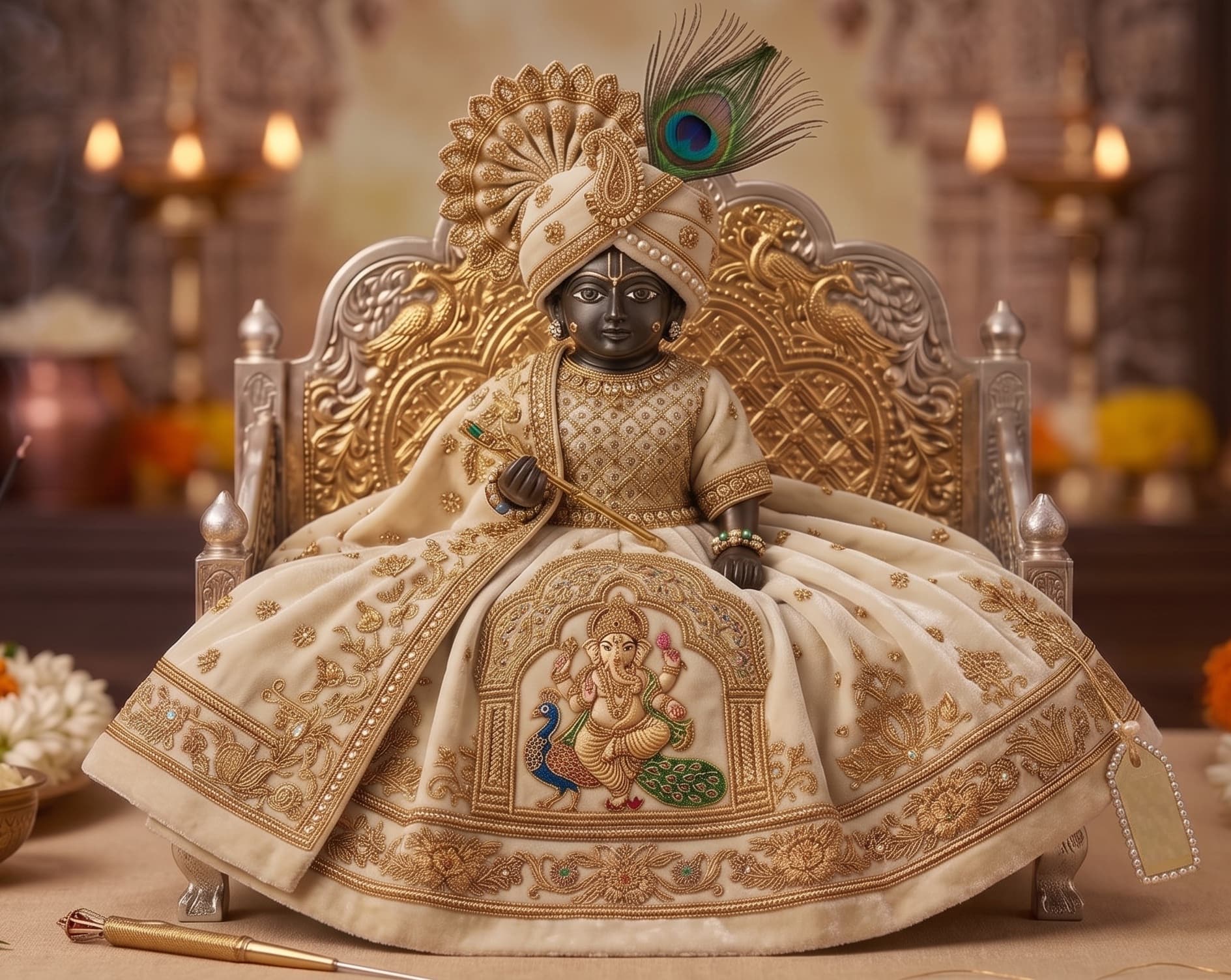 Best Summer Dress for Laddu Gopal & Kanha Ji, Fabrics, Colors and Daily Shringar Tips
April arrives and the mandir starts to feel different.
The morning light is warmer. The diya flame wavers more. And somewhere in the back of your mind, if you are the kind of devotee who pays attention to these things, there is a quiet thought: Kanha Ji is still wearing that velvet poshak from February.
Summer dressing for Laddu Gopal is one of those things that nobody really talks about but every devoted household deals with. The velvet stays on too long. The heavy embroidered poshak from Janmashtami somehow becomes the default. And then one particularly hot May morning you look at Thakur Ji and feel, instinctively, that something needs to change.
This guide is for that moment.
Written from direct experience working with karigars in Vrindavan who make poshak across seasons, and from understanding what daily wear fabric actually needs to withstand in Indian summer conditions. Last updated April 2026.
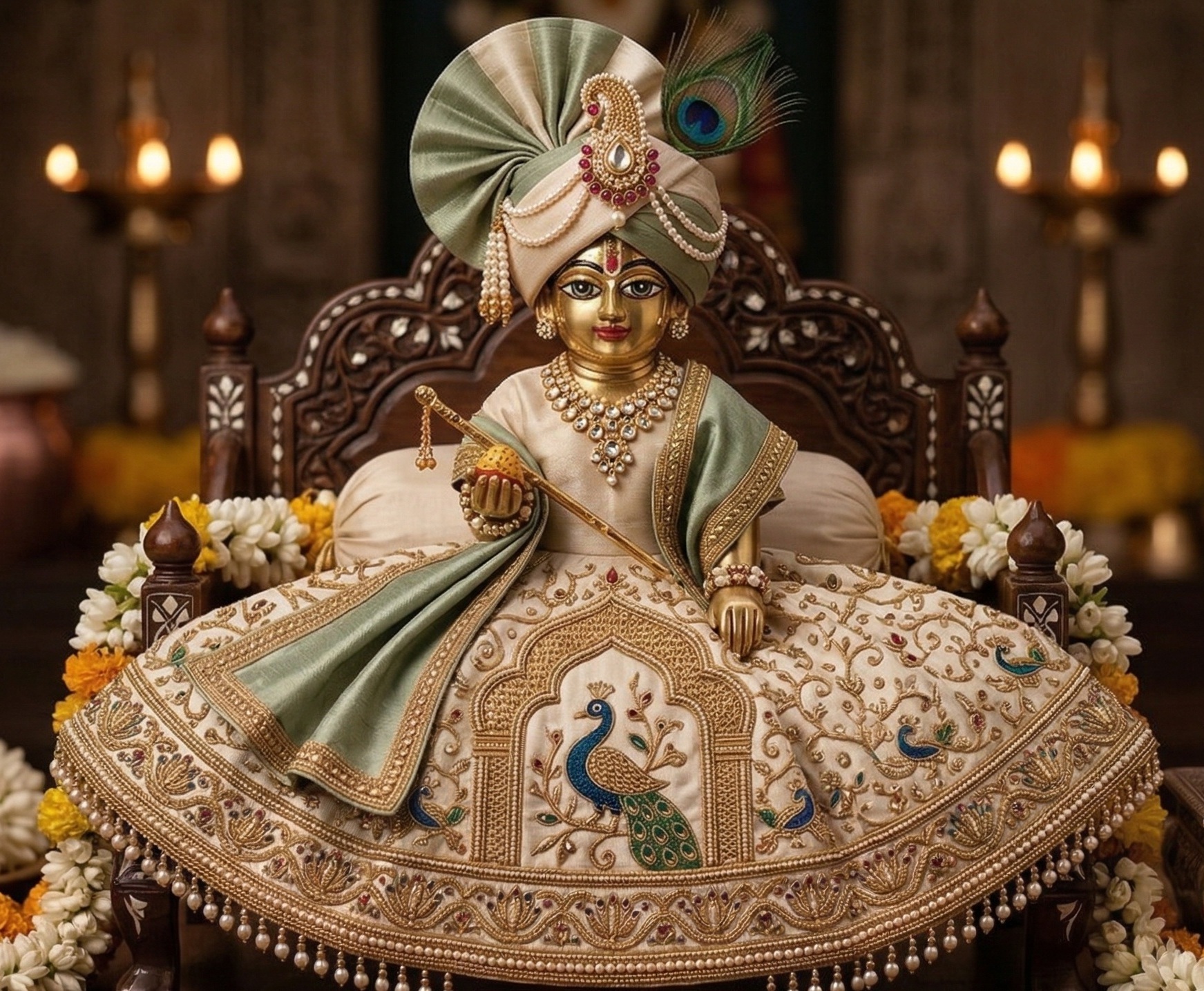
What is a summer dress for Laddu Gopal? A Laddu Gopal summer dress is a lightweight, breathable poshak, typically made from cotton, malmal, or soft georgette, designed specifically for the hot months between March and June. Unlike festival poshak or heavy winter dress, a summer poshak for Kanha Ji prioritizes fabric softness, natural breathability, and ease of daily washing over elaborate embellishment.
Quick Reference, Summer Shringar Essentials
- Best fabric: soft cotton or malmal
- Best colors: white, pastel yellow, soft blue, light green
- Avoid: velvet, woolen gol poshak, heavy zari, dense embroidery
- Wash: hand wash in cold water, air dry in shade
- When to switch: when daytime temperature crosses 30°C consistently
Why Summer Dressing for Laddu Gopal Actually Matters
There is a tendency to think of the poshak purely as decoration, something that matters for how the mandir looks, not for anything else. And that is understandable.
But if you have ever kept Laddu Gopal at home with genuine care, you will know that the relationship goes beyond aesthetics.
The thought that Kanha Ji, represented in your home as a child deity, is dressed in heavy velvet through a 40°C Delhi summer carries a feeling. Not guilt, exactly. But a quiet discomfort. A sense that something could be more considered.
Switching to a proper summer dress for Laddu Gopal is not an elaborate undertaking. It costs less than most people expect. And the difference in how your mandir feels, lighter, fresher, more aligned with the season, is immediate.
"The mandir should breathe with the season. What we offer should feel right for the day it is offered."
Temple traditions across India have always dressed deities according to season. Vrindavan's Banke Bihari changes poshak with extraordinary attention to season, weather, and even time of day. The principle, that what the deity wears should be appropriate to the moment, is not a modern idea. It is ancient, considered, and deeply rooted in bhakti tradition.
Signs Your Current Poshak Is Too Heavy for Summer
Before getting to solutions, it helps to recognize the signs that a poshak change is actually needed.
The poshak is visually heavy for the season. Velvet, thick brocade, dense zari work, woolen gol poshak, these fabrics look right in January. In May, they create a visual dissonance that you feel even if you cannot immediately name it.
The fabric has started to look tired. Heavy poshak worn through winter and now into spring has often gone through enough handling that it is past its best. This is a natural moment to retire it respectfully and bring in something fresh.
The color feels wrong for the season. Deep maroon, dark navy, or very heavy gold tones are winter and monsoon colors. When spring arrives and the light changes, these same colors start to feel misaligned with the season's energy.
You are washing it too frequently. If your Kanha Ji dress is getting washed more than once or twice a week and it is a heavy embroidered piece, you are shortening its life significantly. A lightweight summer cotton poshak is designed to be washed frequently. Your heavy poshak is not.
Any one of these signs is reason enough to make the switch.
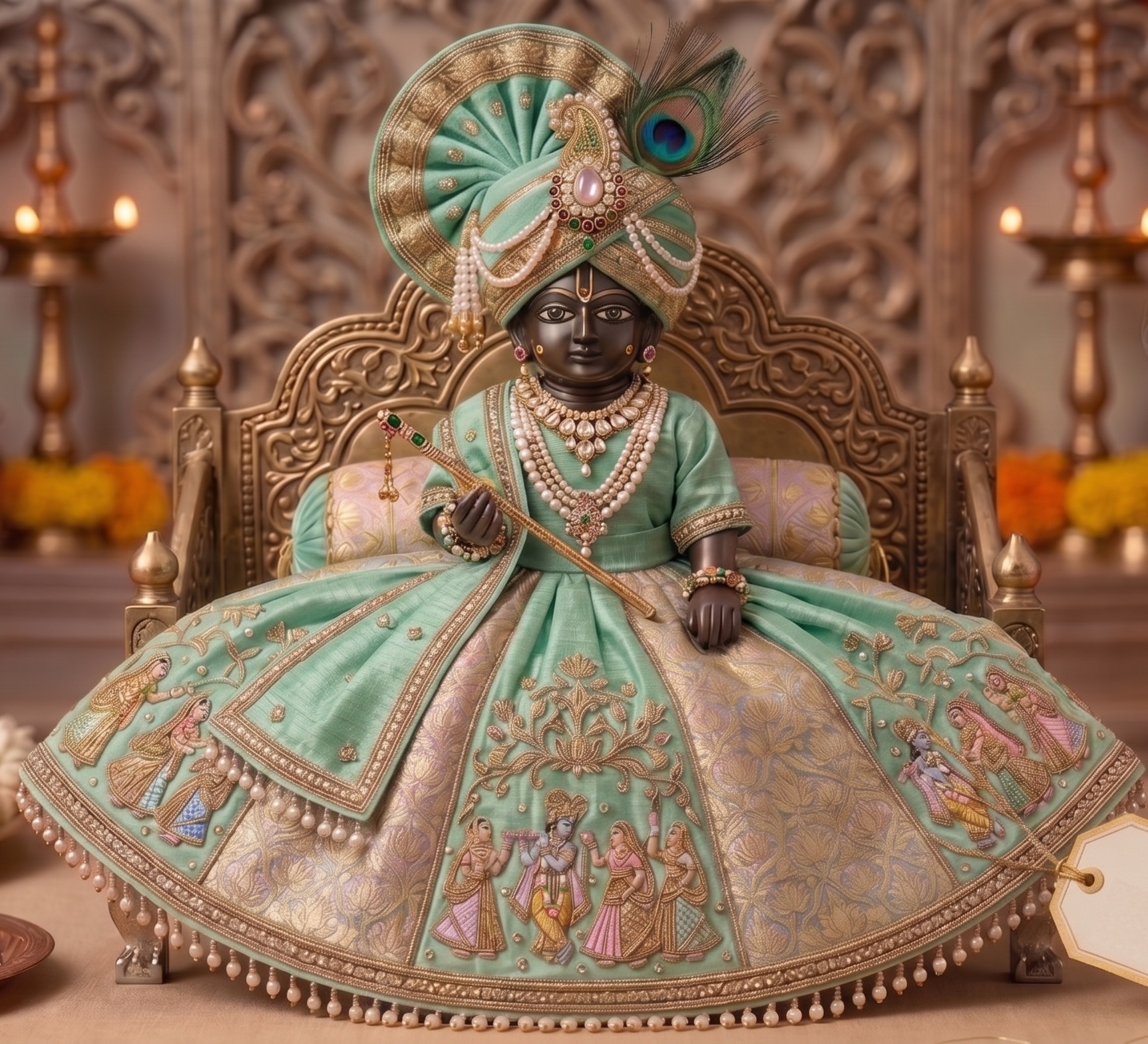
Best Fabrics for Laddu Gopal Summer Dress
This is the most important section of this guide, and the one most worth reading carefully before your next purchase.
Soft Cotton, The Single Best Choice
If there is one fabric that belongs on Laddu Gopal through Indian summer, it is soft cotton. Not the stiff cotton of cheap mass-produced poshak, but genuinely soft, fine-weave cotton, the kind that drapes naturally, washes easily, holds its color through repeated gentle washing, and looks beautiful in morning light without trying too hard.
A good quality cotton poshak for Kanha Ji in size 3 or 4 feels appropriate for the season in a way that synthetic fabrics, however good they look in photographs, simply do not. Cotton breathes. It does not trap heat visually or texturally. It looks right in warm weather in a way that heavy fabric cannot.
For those who keep Laddu Gopal with genuine daily care, a set of three to five soft cotton summer poshaks in rotation is genuinely the most practical and most devotionally appropriate approach for summer months.
Malmal, For the Peak of Summer
Malmal is fine muslin, lighter than regular cotton, with a translucent, delicate quality that is uniquely suited to the hottest weeks of the Indian summer. A malmal poshak for Laddu Gopal in white or ivory in May or June looks and feels exactly right.
The challenge with malmal is that it is delicate, it requires gentle handling and careful washing. But for a special daily poshak during peak summer, a well-made malmal Kanha Ji dress is one of the most beautiful and seasonally appropriate options available.
Light Georgette, For Slightly Elevated Daily Wear
If you want your Kanha Ji poshak to have a slight sheen and a more refined appearance while remaining genuinely lightweight and summer-appropriate, soft georgette is an excellent option. It is lighter than art silk, drapes beautifully, and works well for Ekadashi or weekend shringar when you want something slightly more special than plain cotton.
What to Completely Avoid in Summer
This needs to be said directly because the tendency to reach for what looks most impressive is natural, but genuinely counterproductive in summer.
Velvet poshak, visually heavy, traps warmth, looks seasonal and incongruous against summer mandir decor. Reserve it for October onwards.
Woolen gol poshak, designed specifically for winter. Beautiful in its season, completely wrong for summer. If your Kanha Ji is still wearing a woolen gol poshak past March, it is time to transition.
Dense zari work and heavy embroidery, festival poshak with elaborate handwork is designed for special occasions, not daily summer handling. Washing it frequently through summer damages the embroidery and zari quickly. A lightweight Thakur Ji summer dress in plain cotton will serve both you and the poshak far better through these months.
Synthetic shimmer fabric, these photograph well and are inexpensive, but they do not breathe, they fade quickly, and the shine looks artificial in natural daylight in a way that good cotton does not.
Best Colors for Kanha Ji Summer Dress
Color matters more in summer than in any other season, because summer light is harsher and more direct, and certain colors photograph and appear differently when the light changes.
White and ivory, the most appropriate summer choice. White is associated in Vaishnava tradition with purity and with the quality of the early morning, which is when most devotees do their shringar. A white cotton poshak for Laddu Gopal in summer is correct in every sense: traditional, seasonally appropriate, beautiful in morning light, and versatile enough to work with any mukut color.
Soft pastel yellow, pitambar in summer weight. Yellow is the most sacred color for Kanha Ji across traditions. In summer, a soft pastel yellow rather than a deep golden pitambar is more appropriate to the season. It carries all the traditional meaning of pitambar while feeling light and fresh rather than heavy.
Pale blue and sky blue. Blue is deeply connected to Kanha Ji, it is his color, his identity. A soft sky blue or powder blue cotton poshak in summer is both devotionally resonant and perfectly appropriate for the season. It photographs beautifully against the warm tones of a home mandir.
Soft green and mint. Green, the color of Vrindavan, of the forest where Kanha played, works beautifully in summer, particularly during the weeks approaching monsoon. A soft sage green or mint cotton poshak feels fresh and alive in a way that mirrors the season's eventual transition.
What to use carefully in summer: Deep reds, heavy maroons, and dark navy are winter and monsoon colors. In summer, if you use these at all, choose lighter variants, a soft rose rather than deep red, a dusty blue rather than navy. The general principle: lighter, cooler tones for summer.
Garmi Mein Laddu Gopal Ko Kya Pehnaye, A Simple Seasonal Guide
This is the question many devotees actually search, in exactly this language: garmi mein Laddu Gopal ko kya pehnaye, what should Laddu Gopal wear in summer?
The honest answer is simple:
March to mid-April: Begin transitioning out of winter poshak. Light cotton-silk blends, soft georgette. Keep the woolen gol poshak and velvet for next season.
Mid-April to June: Full cotton or malmal. White, pastel yellow, soft blue, light green. Simple border work only, not heavy embroidery. Change poshak daily or every two days.
During festival occasions in summer (Akshaya Tritiya, summer Ekadashi): A slightly elevated cotton-silk or fine art silk poshak in appropriate festival colors, but still lightweight. Not heavy zari. Not velvet.
Approaching monsoon (late June–July): Begin transitioning toward deeper colors, peacock green, deep blue, violet, still in cotton or light fabrics until the monsoon establishes fully.
Here is the same information as a quick reference table:
| Season | Best Fabric | Best Colors | Avoid |
|---|---|---|---|
| March–April | Cotton-silk blend, soft georgette | Pastel yellow, light green | Velvet, woolen gol poshak |
| May–June | Soft cotton, malmal | White, ivory, sky blue | Heavy zari, dense embroidery |
| Festival occasions in summer | Fine cotton-silk, art silk | Traditional festival colors in light tones | Thick brocade, synthetic shimmer |
| Late June–July | Cotton | Peacock green, deep blue, violet | Wool, heavy winter fabric |
Summer Morning Shringar Tips
The shringar routine itself benefits from a few small adjustments in summer.
Do shringar early. Before 8 AM is ideal, the mandir is cooler, the light is gentler, and the morning has a quality that peak summer afternoons do not. The Brahma Muhurta early morning remains the most auspicious time regardless of season.
Fresh flowers daily if possible. Summer heat wilts flowers faster than winter. If you change flowers daily in other seasons, consider changing them twice daily in peak summer, or use flowers that hold up better in heat like marigold and rose over jasmine, which wilts more quickly.
Light bhog that suits the season. Mishri, cold milk, fresh fruit, these are summer bhog. Heavy sweet preparations feel seasonally misaligned. Even bhog can be adjusted with the season.
Keep the poshak rotation light and frequent. In summer, a cotton poshak can be changed daily without stress, it washes quickly, dries fast, and does not require the careful handling that silk or embroidered poshak does. This is one of the practical advantages of building a proper summer poshak rotation.
Summer Poshak for Radha Rani and Yugal Jodi
For those who keep both Radha Rani and Kanha Ji, as a Yugal Jodi or Radha Krishna poshak pairing, summer is actually one of the most beautiful seasons for coordinated shringar.
Soft white for Radha Rani with pale blue for Kanha Ji. Pastel pink for Radha Rani with soft yellow for Kanha Ji. The lighter tones of summer create some of the most harmonious and visually beautiful Yugal Jodi combinations of the year.
For Radha Rani's summer poshak, the Traditional Radha Rani Chunri and Chandrika in a light fabric works beautifully as a daily option. Save the Radha Rani heavy poshak and handcrafted Radha Rani lehenga for autumn festivals. The Radha Rani designer red velvet dress belongs firmly in winter, not summer.
A Note on What Summer Shringar Teaches
There is something that sustained seasonal shringar, adjusting with the year, paying attention to what Kanha Ji is wearing and whether it fits the moment, does to the relationship between a devotee and their deity.
It makes the shringar conscious rather than habitual.
When you think about whether this poshak is right for today, whether this color suits this season, whether this fabric is appropriate for this kind of morning, you are present in the shringar in a way that reaching for the same poshak every day does not require.
Summer is the season where this presence is most obvious. The shift from heavy to light, from dark to pale, from elaborate to simple, it is one of the most visually clear expressions of devotional attentiveness available to a home devotee.
Garmi mein halka poshak, yeh sirf mausam ka khayal nahi hai. Yeh Kanha Ji ke prati dhyan hai. (A light poshak in summer, this is not just consideration for the weather. It is attention toward Kanha Ji.)
At Divyambar, our summer collection for Laddu Gopal and Kanha Ji is designed around exactly these principles, soft fabrics, seasonal colors, daily washability, and the kind of craftsmanship that holds up through a full season of consistent use. If you are building your summer poshak rotation, our Kanha Ji dress collection and Laddu Gopal dress range are worth exploring.
If you are looking for a Laddu Gopal summer dress online, every piece in our summer poshak collection is made from breathable, season-appropriate fabric, the same summer poshak for Laddu Gopal that works for daily shringar as well as for the smaller festival occasions that fall between March and July.
For guidance on sizing before you order, our complete Laddu Gopal poshak size chart explains exactly how to measure in under two minutes.
Frequently Asked Questions
What is the best fabric for Laddu Gopal in summer?
Soft cotton is the best fabric for Laddu Gopal in summer, it breathes, washes easily, and drapes naturally. Malmal is the best choice for peak summer heat in May and June. Light georgette works well for slightly elevated daily wear. All three are far more appropriate than velvet, wool, or heavy synthetic fabric in hot weather.
Kanha Ji ke garmi ke kapde kaise honay chahiye?
Kanha Ji ke garmi ke kapde halke aur breathable honay chahiye, jaise soft cotton, malmal, ya light georgette. Rang bhi halke honay chahiye, white, pastel yellow, sky blue. Velvet aur woolen kapde March ke baad hata lene chahiye aur October tak store karke rakhne chahiye.
What is the best summer dress for Laddu Gopal?
Soft cotton or malmal is the best fabric for Laddu Gopal summer dress. These fabrics are lightweight, breathable, washable, and appropriate for daily use through the hot months. White, pastel yellow, soft blue, and light green are the most seasonally appropriate colors. Avoid velvet, woolen gol poshak, and heavy embroidered dress in summer.
Garmi mein Laddu Gopal ko kya pehnaye?
Garmi mein Laddu Gopal ke liye soft cotton ya malmal ka poshak sabse achha hai. Halke rang jaise white, pastel peela, sky blue aur light green summer ke liye perfect hain. Velvet, woolen gol poshak aur bhari embroidery wale kapde summer mein na pehnayen, yeh mausam ke anukool nahi hain.
Which color poshak is best for Kanha Ji in summer?
White and ivory are the most traditional and appropriate summer colors for Kanha Ji. Soft pastel yellow, sky blue, and light green also work beautifully. As a general rule, choose lighter and cooler tones in summer and reserve deep reds, dark maroon, and navy for winter and monsoon months.
Can I use a cotton dress for Kanha Ji daily in summer?
Yes, a soft cotton Kanha Ji dress is ideal for daily summer shringar. Cotton washes easily, dries quickly, and holds its shape and color through regular gentle washing. Keep a rotation of three to five cotton poshaks so each piece gets rest between wears and lasts significantly longer.
When should I switch from winter to summer poshak for Laddu Gopal?
Begin transitioning around mid-March, when daytime temperatures consistently cross 28–30°C. By April, the woolen gol poshak and velvet should be stored for next winter and your summer cotton rotation should be in regular use. A full transition by the first week of April is appropriate for most parts of India.
Is malmal poshak good for Laddu Gopal in summer?
Yes, malmal is excellent for Laddu Gopal in peak summer, particularly May and June. It is lighter and more delicate than regular cotton, with a soft translucent quality that looks beautiful in warm-weather shringar. Handle and wash it gently as it is more delicate than standard cotton.
What is the difference between a daily summer poshak and a festival summer poshak?
A daily summer poshak for Laddu Gopal prioritizes soft fabric, washability, and simplicity, plain cotton or malmal with minimal embellishment. A festival summer poshak (for occasions like Akshaya Tritiya or summer Ekadashi) can be slightly more elevated, a fine cotton-silk blend or soft georgette with delicate border work, while still being genuinely lightweight and summer-appropriate.
Should Radha Rani also wear a different poshak in summer?
Yes. The same seasonal principles apply to Radha Rani's poshak. Switch the Radha Rani heavy poshak and handcrafted Radha Rani lehenga to storage and use lighter fabrics for daily summer shringar. For a Yugal Jodi setup, coordinating Radha Rani and Kanha Ji in complementary light colors, white with pale blue, pastel pink with soft yellow, creates some of the most beautiful summer shringar combinations.
How do I store heavy poshak when switching to summer?
Fold embroidered poshak carefully, do not crush the embroidery. Store in a clean muslin or cotton pouch, not in plastic. Keep in a dry place away from sunlight and moisture. A small piece of camphor or clove placed nearby prevents insects. Label the pouch with the size and occasion so retrieval is easy when the season changes.